
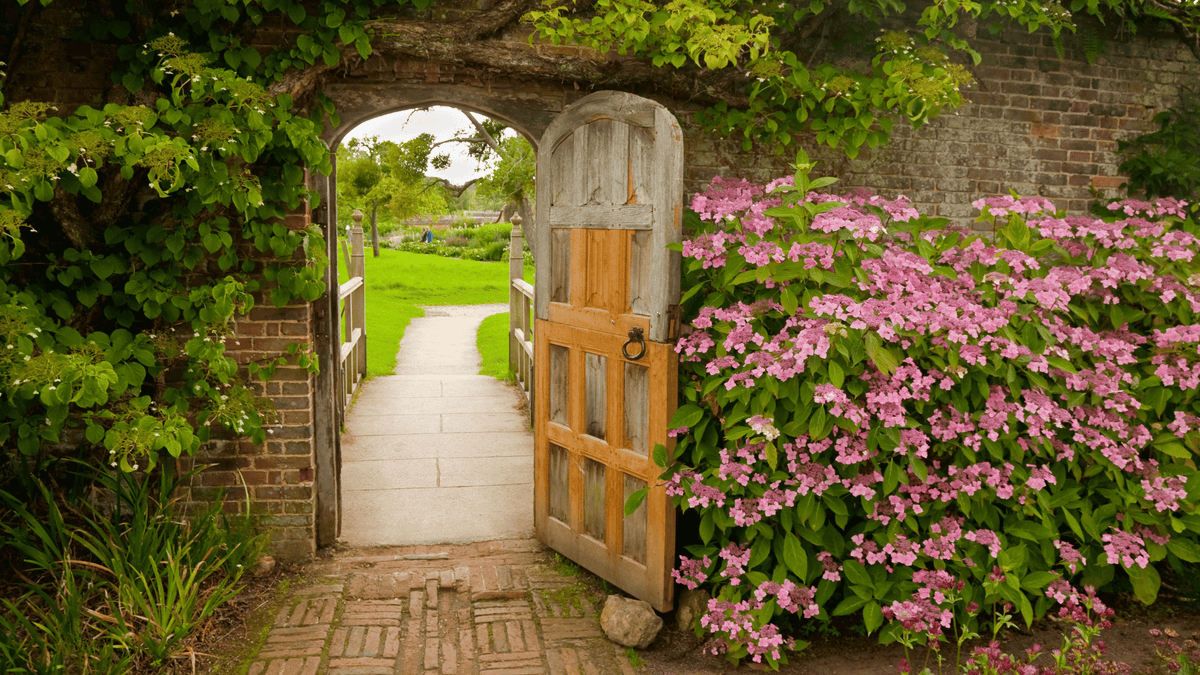
Hydrangeas are particularly well suited to the cool, moisture-retentive conditions found in many Irish gardens, but their willingness to grow in a wide range of situations sometimes disguises an important point: the different types are not interchangeable. A mophead that performs beautifully in sheltered part shade may struggle in a hot, dry position, while a panicle Hydrangea can flower generously in considerably more sun. Good results begin with choosing the right type for the site rather than trying to make the site suit a plant chosen only for its flowers.
Once that decision is right, Hydrangeas are comparatively accommodating shrubs. Most prefer a fertile soil that remains evenly moist without becoming stagnant, and established plants generally need less intervention than their large flower heads suggest. The greatest difficulties usually come from drought, poorly drained soil, late frost, excessive exposure or pruning the wrong type at the wrong time.
Choosing the right type of Hydrangea
The familiar mophead and lacecap Hydrangeas are forms of Hydrangea macrophylla. Mopheads carry rounded heads dominated by showy sterile florets and usually hold their display for a remarkably long period, whereas lacecaps have a flatter head of small fertile flowers surrounded by larger sterile florets. Hydrangea macrophylla ‘Ayesha’ is an unusual mophead with distinctive cupped sepals, while Hydrangea macrophylla ‘Blue Wave’ is a useful example of the more open lacecap form. Laurel's mophead Hydrangeas and lacecap Hydrangeas can therefore look quite different even though their basic growing requirements are similar.
Smooth Hydrangeas, particularly Hydrangea arborescens ‘Annabelle’, produce large white flower heads on the current season's growth. Panicle Hydrangeas also flower on new growth, but their flower heads are conical rather than rounded; Hydrangea paniculata ‘Limelight’ is a familiar example of this group. These differences matter horticulturally because both groups tolerate a pruning approach that would remove the following summer's flowers from many traditional macrophyllas.
Oakleaf Hydrangeas bring another character altogether. Hydrangea quercifolia ‘Snow Queen’ combines upright creamy flower panicles with large oak-shaped leaves which develop rich autumn colouring. Climbing Hydrangeas are woody climbers rather than conventional shrubs and are valuable where a shaded wall, sturdy fence or mature tree needs vertical cover. The species commonly sold as Hydrangea petiolaris is slow to establish, but becomes a substantial, self-clinging plant with age.
For a fuller comparison of flower form, habit, garden use and growing behaviour, see our guide to the different types of Hydrangeas. Laurel also has dedicated collections for smooth Hydrangeas, panicle Hydrangeas, oakleaf Hydrangeas and climbing Hydrangeas.
Where should Hydrangeas be planted?
Part shade is a particularly dependable position for many Hydrangeas, especially H. macrophylla and H. serrata. Bright shade, dappled light or a position receiving sun for part of the day allows the broad foliage to remain in good condition without placing quite as much demand on the roots for water. They can tolerate considerably deeper shade, but there is usually a price: growth becomes looser and the number and quality of flowers decline as light levels fall.
Full sun is not automatically unsuitable. In a cool climate with a moisture-retentive soil, many Hydrangeas tolerate considerably more direct light than they would in a hot, dry garden. Hydrangea paniculata is particularly useful where a sunnier position is unavoidable, while H. arborescens is also adaptable. The combination to avoid is strong sun with a dry root zone, because the large leaves lose water rapidly and may wilt even while the shrub itself remains healthy.
Shade beneath established trees needs separate consideration. A Hydrangea may tolerate the light level perfectly well yet still struggle because mature tree roots are taking most of the available moisture. Where root competition is severe, additional watering and organic mulch become more important. Our guide to growing Hydrangeas in shade looks at these differences in more detail, while the broader guide to shade gardening in Ireland covers the surrounding planting conditions.
The best soil for Hydrangeas
Hydrangeas generally perform best in a fertile soil containing plenty of organic matter, with enough structure to retain moisture while still allowing surplus water to move away. Well-rotted compost or similar organic material incorporated into the planting area improves both moisture retention and soil structure, and an organic mulch over the root zone reduces evaporation during dry periods.
Consistently moist soil should not be confused with stagnant soil. Hydrangea macrophylla is more tolerant of wet conditions than many ornamental shrubs, but even here improved drainage is preferable to roots sitting in airless ground. Other groups are less forgiving. The objective is a root zone that remains cool and evenly moist while still containing enough air for healthy root growth.
Plant container-grown Hydrangeas approximately level with the surface at which they were growing in the pot, gently loosen congested roots and firm the surrounding soil without compacting it heavily. Water thoroughly after planting so soil settles around the root ball. Mature spread is equally important: a Hydrangea planted too close to a path, wall or neighbouring shrub eventually becomes a pruning problem that could have been avoided at planting time. The full process is covered in how to plant Hydrangeas.
How much water do Hydrangeas need?
Hydrangeas have many fine roots near the soil surface, which is the part of the ground that dries first. Newly planted shrubs therefore need particular attention while roots are extending beyond the original root ball, and established plants may still need supplementary water during prolonged dry weather. Large-leaved macrophyllas are among the thirstiest, especially when carrying a full crop of flowers.
Watering deeply at the root zone is more useful than repeatedly wetting only the surface. A generous mulch helps by slowing evaporation and moderating changes in soil temperature, but it should not be piled against the stems. Wilting on a warm afternoon does not always mean the plant is dying, although repeated or persistent wilting indicates that the balance between light, heat and available moisture needs attention.
Feeding Hydrangeas
A reasonably fertile garden soil enriched with organic matter usually provides a good foundation, and Hydrangeas respond to moderate feeding when growth begins. More fertiliser is not necessarily better. Excessive nitrogen can encourage long, soft shoots at the expense of good flower-bud formation and can leave late growth less well prepared for cold weather.
A restrained feeding programme is therefore preferable to trying to force rapid growth. This is especially true where a plant is already vigorous but flowering poorly; more nitrogen may make the imbalance worse rather than correcting it. Container-grown Hydrangeas need more regular feeding because their roots are confined to a limited volume of compost, but feeding must still be accompanied by reliable watering.
Why Hydrangeas change from pink to blue
The famous colour change of Hydrangeas is real, but it applies chiefly to suitable H. macrophylla and H. serrata cultivars. Soil pH influences the availability of aluminium to the plant. In sufficiently acidic conditions aluminium is more readily available and susceptible cultivars tend towards blue or purple; in more alkaline conditions aluminium becomes less available and the same plants tend towards pink or red.
It is therefore slightly misleading to think of pH itself as a dye. Aluminium availability is the mechanism behind the change, while soil reaction helps determine whether that aluminium can be taken up. White cultivars do not turn blue simply because the soil is acidic, and individual cultivars vary in how strongly they respond, so the natural character of the plant still matters.
Attempts to change colour should be gradual. Excessive applications intended to acidify the soil or supply aluminium can damage roots and create other nutrient problems. Where flower colour matters, first understand the existing soil and the cultivar involved; our guide to Hydrangea flower colour, soil and pH explains the process in detail.
How and when to prune Hydrangeas
Pruning is where treating every Hydrangea alike causes the greatest trouble. Traditional H. macrophylla and H. serrata commonly form their main flower buds on growth made during the previous season. Hard pruning in winter or early spring can therefore remove the very buds the gardener is waiting to see flower.
Established macrophyllas usually need a lighter approach, with dead wood removed first and a proportion of old stems taken out near the base where thinning or renewal is necessary. The old flower heads can be left through winter and removed in spring above a healthy pair of buds, particularly where late frost is a concern.
Hydrangea arborescens and H. paniculata flower on new growth and can be pruned much harder. With cultivars such as ‘Annabelle’ or large-flowered paniculatas, harder pruning generally produces fewer, stronger shoots carrying larger flowers; lighter pruning leaves a greater number of stems and consequently more, smaller flower heads. Neither approach is automatically correct, because the desired shape and flower size should determine the method.
Our Hydrangea pruning guide separates the main groups and their pruning requirements. If a healthy shrub is producing leaves but few or no flowers, incorrect pruning is only one possibility, so it is also worth checking the other causes covered in why a Hydrangea is not flowering.
Frost and winter weather
A Hydrangea can survive winter perfectly well and still fail to flower the following summer. This is particularly relevant to old-wood flowering macrophyllas, because the shrub's roots and stems may remain alive while exposed flower buds are damaged by cold or by a late frost after growth has restarted.
Sheltered positions, overhead cover from deciduous trees and the warmer microclimate close to a wall can all reduce exposure. Leaving old flower heads in place until spring also gives some protection to the buds immediately below. Potted plants are more exposed because the root system is surrounded by a relatively small volume of compost rather than the insulating mass of garden soil.
Protection should be proportionate to the plant and the site rather than applied automatically every winter. Our guide to protecting Hydrangeas from frost and winter weather explains when intervention is useful.
Hydrangeas for coastal and windy gardens
Coastal conditions are more complicated than the simple instruction to shelter every Hydrangea from wind. Hydrangea macrophylla originates from maritime environments, and forms with tough, glossy foliage can tolerate salt-laden air and exposure surprisingly well. This makes the group particularly useful in gardens where many broad-leaved flowering shrubs would deteriorate.
Wind still increases moisture loss, however, and not every Hydrangea is equally resilient. Large panicle flower heads on comparatively brittle stems can be vulnerable in exposed sites, while softer-leaved species generally appreciate greater protection. Position and watering become as important as salt tolerance itself. For exposed sites, see our guide to Hydrangeas for coastal and windy gardens.
Growing Hydrangeas in pots
Hydrangeas can be excellent container plants, especially compact macrophyllas, but a pot removes much of the buffering provided by garden soil. Compost heats, cools and dries more rapidly, and a large flowering shrub can use a surprising quantity of water during summer. A generously sized container with effective drainage is therefore easier to manage than a small decorative pot.
Use a good open potting mix rather than ordinary garden soil, which can become dense and poorly aerated in a container. Watering must remain consistent through active growth, and regular feeding becomes more important as nutrients are gradually exhausted or washed from the compost. Colour management in blue macrophyllas can also be less predictable because potting compost may contain little available aluminium even when its pH is acidic.
The complete container method is covered in growing Hydrangeas in pots. Where ground space rather than container culture is the main limitation, our guide to the best Hydrangeas for small gardens focuses on mature size and habit.
Growing climbing Hydrangeas
Climbing Hydrangeas deserve to be treated separately from the shrub types. They attach themselves to a rough surface with root-like holdfasts and are particularly useful on shaded or partly shaded walls, where flowering climbers can otherwise be difficult to establish. A substantial support or permanent wall is preferable because mature plants eventually become heavy.
Patience is important. Climbing Hydrangeas characteristically spend their early years establishing slowly, after which growth becomes much more vigorous. Flowers are carried on older, branching growth, so repeated hard cutting works against the mature flowering structure the plant is trying to develop.
The detailed guide to growing climbing Hydrangeas on walls, fences and trees covers establishment, attachment, pruning and mature scale. A shaded or north-facing wall may also benefit from the wider site-planning principles in our north-facing garden guide.
Common Hydrangea problems
Hydrangeas are generally robust shrubs, and a plant grown in suitable soil with reliable moisture is less troublesome than its lush foliage might suggest. Powdery mildew, leaf spots, aphids and other pests or diseases can occur, but many apparent problems begin with the growing conditions rather than an infectious disease.
A wilting plant may be too dry, but persistent wilting in wet soil can indicate damaged or poorly functioning roots. Yellow leaves may accompany root stress or nutrient problems, while scorched margins can follow a combination of strong light, drying wind and insufficient moisture. Diagnosis should therefore begin with the site, drainage and recent weather before reaching for a treatment.
For symptoms and their likely causes, use our guide to common Hydrangea problems.
Propagating Hydrangeas
Many of the common Hydrangea species root readily from softwood cuttings, making vegetative propagation a practical way to produce another plant from a valued specimen. Layering, where a low stem is rooted while still attached to the parent plant, is another useful method and requires little specialised equipment.
Vegetative propagation is particularly appropriate for named cultivars because seedlings will not necessarily reproduce the characteristics of the parent. The timing, preparation and aftercare of cuttings and layers are covered in how to propagate Hydrangeas.
Using Hydrangeas with other plants
Hydrangeas have enough visual weight to work as individual specimens, but they become more interesting when their broad leaves and substantial flowers are balanced by plants of a different form. Fine foliage, upright stems or a lighter flower structure can prevent a border dominated by rounded leaves and large flower heads from appearing heavy.
Scale matters as much as colour. A large panicle or oakleaf Hydrangea needs companions capable of holding their own around a mature shrub, whereas a compact macrophylla can sit comfortably among smaller perennials. Shared requirements for light, soil moisture and root space must come before the colour scheme. Our guide to Hydrangea companion plants and garden design considers those practical and visual relationships together.
Cutting and drying Hydrangea flowers
Hydrangeas are useful cut flowers because the showy parts of many flower heads persist for much longer than ordinary petals. Later in the season the flowers begin to mature into softer green, pink, burgundy or parchment tones, often described as the antique stage. At this point the tissues are firmer and the heads are particularly suitable for drying.
Mopheads are especially effective because a few large heads make a substantial arrangement, although panicle and oakleaf Hydrangeas can also dry well as their flowers mature. Cutting too early, while the tissues are still soft and full of moisture, increases the chance of wilting. The appropriate harvesting stage and drying methods are covered in how to cut and dry Hydrangea flowers.
Which Hydrangea is right for your garden?
The best Hydrangea is the one whose natural behaviour fits the position. Flower colour is important, but mature size, light, moisture, exposure and pruning habit determine whether the shrub remains an asset once the first season's flowers are gone.
- For rounded summer flower heads in sheltered sun or part shade, begin with mophead or lacecap H. macrophylla.
- For a sunnier border and conical flowers on new growth, consider H. paniculata.
- For large white heads and straightforward new-growth pruning, H. arborescens ‘Annabelle’ remains a useful benchmark.
- For flowers combined with strong autumn foliage, H. quercifolia ‘Snow Queen’ shows what oakleaf Hydrangeas can contribute beyond summer.
- For a shaded wall or mature vertical structure, climbing Hydrangea petiolaris offers an entirely different use from the shrub forms.
Once the conditions are understood, the choice becomes considerably easier. You can browse Laurel's Hydrangea collection after deciding which habit, mature size and growing conditions best suit the part of the garden you are planting.


