
David Austin Roses
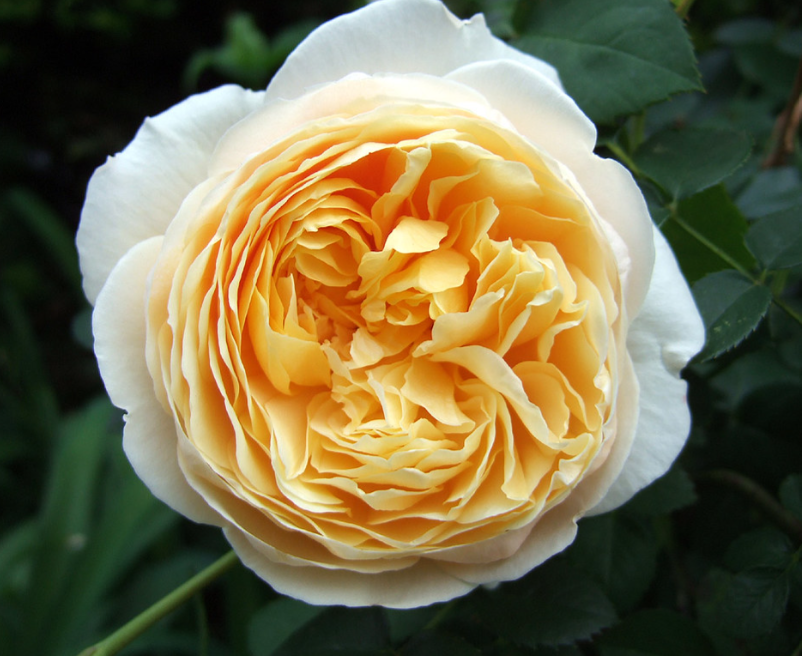
David Austin roses are English roses bred to combine the character, flower form and fragrance associated with old garden roses with the broader colour range and repeat-flowering potential of modern roses. They are often chosen as much for their overall shrub habit and scent as for the appearance of an individual bloom.


- Featured
- Most relevant
- Best selling
- Alphabetically, A-Z
- Alphabetically, Z-A
- Price, low to high
- Price, high to low
- Date, old to new
- Date, new to old

Choosing and Growing David Austin Roses in Ireland
Choosing a David Austin Rose
David Austin roses are English roses bred to combine the character, flower form and fragrance associated with old garden roses with the broader colour range and repeat-flowering potential of modern roses. They are often chosen as much for their overall shrub habit and scent as for the appearance of an individual bloom.
The collection includes cultivars such as Rosa ‘Charles Darwin’, ‘Gentle Hermione’, ‘Gertrude Jekyll’, ‘Golden Celebration’, ‘Grace’, ‘Lichfield Angel’, ‘Princess Alexandra of Kent’, ‘The Lady Gardener’, ‘The Pilgrim’ and ‘Wollerton Old Hall’.
Choose according to mature size, growth habit, flower form, fragrance and whether the cultivar is intended mainly as a shrub or can be trained as a climber. Not every English rose behaves identically, and local soil, weather and pruning will influence its final shape.
Flower Forms and Fragrance
Flowers may be cupped, rosette-shaped, quartered, loosely double or densely filled, often changing shape as they open. This development is part of their appeal, particularly when several stages are present on the plant at once. Heavy rain can temporarily mark densely petalled flowers, while warm weather may cause some blooms to open and fade more quickly.
Fragrance differs in strength and character between cultivars. Position a scented rose near a path, entrance, patio or seating area rather than at the distant back of a border. Scent can vary with temperature, humidity, flower age and time of day, so it is reasonable for the same plant to seem more fragrant on some occasions than others.
Many David Austin roses repeat flower, but the timing and abundance of later flushes depend on cultivar, establishment and care. Deadheading, feeding and adequate moisture can support further bloom, while newly planted roses may need time to develop the framework required for a strong display.
Using English Roses in the Garden
Their relaxed shrub shape makes these roses particularly suitable for mixed borders, cottage-style planting and informal rose beds. They combine naturally with hardy geraniums, salvias, nepeta, alliums and ornamental grasses, provided companion plants do not crowd the crown or compete excessively for water.
Some cultivars form rounded shrubs, while others make taller, more arching plants. A rose with graceful outward growth needs more width than an upright hybrid tea, even when the listed height is similar. Allow room for the stems to bend naturally rather than forcing every plant into a tight formal outline.
Taller or more vigorous varieties can be positioned at the back of a broad border or trained against a support when suitable. More compact roses are easier to use near paths and in smaller beds. For other structural forms, compare our bush roses and climbing roses.
Position, Soil and Planting
Plant in a bright, open position with several hours of direct sun. Good airflow helps foliage dry after rain, while shelter from severe wind protects long stems and heavy flowers. Avoid placing roses beneath dense tree canopies or beside vigorous hedges where roots and shade create persistent competition.
The soil should be fertile, moisture-retentive and well drained. Improve the wider planting area with well-rotted organic matter and loosen compacted ground before planting. Water thoroughly and apply a mulch around the root zone, keeping it clear of the stems.
New roses need dependable moisture during establishment. Water deeply during dry periods rather than wetting only the surface. Plants close to walls may require particular attention because the base can remain dry even after rain.
Pruning David Austin Roses
Prune shrub forms during the dormant season, removing dead, damaged, diseased, weak or crossing stems first. Shorten and shape the remaining framework according to the vigour of the cultivar and the space available. Avoid cutting every stem to exactly the same height, as a slightly varied framework often preserves a more natural shrub shape.
Roses being trained as climbers need a different approach. Retain the main structural stems, tie them to their support and shorten flowering side shoots rather than repeatedly cutting the whole plant back as a bush. Spreading stems across the support can encourage flowers over a wider area.
Feeding and Seasonal Care
Feed established roses as growth begins and again according to the chosen product’s instructions. Deadhead where repeat flowering is wanted, remove fallen diseased foliage and keep the base free from heavy competing growth. No rose is entirely maintenance-free, but a well-positioned plant with adequate water, nutrition and space is easier to keep healthy.
Browse the complete rose collection to compare David Austin roses with hybrid teas, floribundas, patio roses, climbers and ramblers.


