Choosing and Growing Hybrid Tea Roses in Ireland
Choosing a Hybrid Tea Rose
Hybrid tea roses are traditionally grown for their large, shapely flowers, often carried individually or in small groups on upright stems. Their clear flower form and useful cutting stems make them a strong choice for dedicated rose beds, formal borders and gardeners who want blooms for indoor arrangements as well as display in the garden.
This collection includes recognised cultivars such as Rosa ‘Peace’, ‘Black Baccara’, ‘Deep Secret’, ‘A Whiter Shade of Pale’, ‘Nostalgia’, ‘Grande Amore’, ‘Remember Me’ and ‘Mildred Scheel’. Compare flower form, fragrance, mature size and disease performance on the individual product pages before choosing.
Flower Form, Colour and Cutting
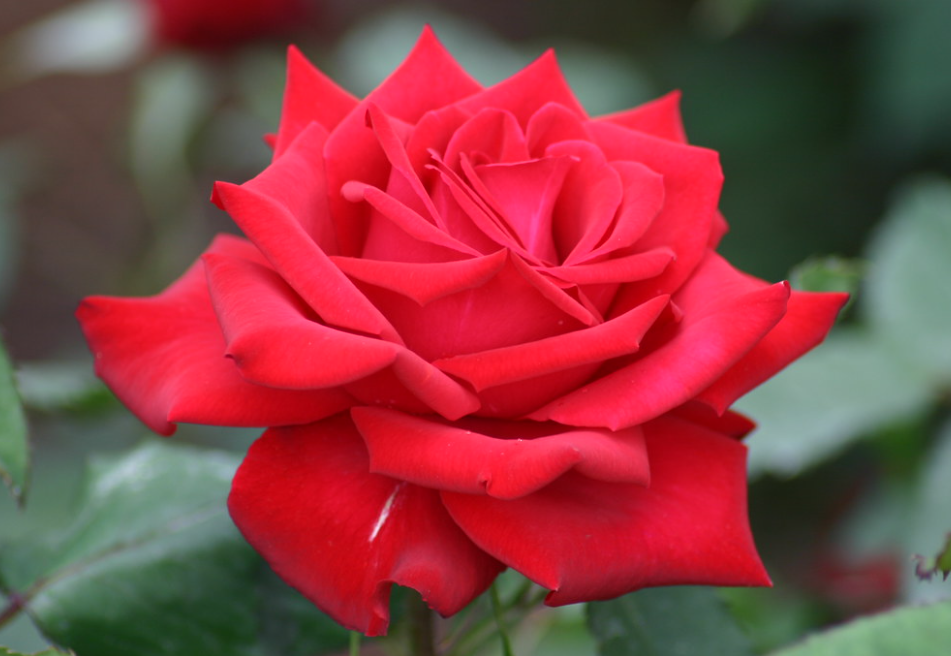
The characteristic hybrid tea flower opens from a pointed bud into a layered bloom with a defined centre. Individual cultivars vary, and some carry fuller, more relaxed or more open flowers than the traditional high-centred form. The blooms are usually displayed clearly above the foliage, giving each flower visual importance rather than creating the broad clustered effect associated with floribundas.
Colours range across whites, creams, yellows, pinks, oranges, reds and darker tones, with many bicoloured or changing flowers. Temperature, light and the age of the bloom can alter the apparent shade, so a flower may not look identical throughout its life or in every season. Strongly coloured varieties are effective as focal plants, while paler shades are easier to combine through a mixed border.
For cutting, harvest when the bud has begun to open but before the flower is fully expanded. Use clean tools and avoid removing excessive stem length from a young or weak plant. Leaving enough foliage supports continued growth and helps the plant produce later flowers.
Hybrid Tea Roses and Floribundas
Choose a hybrid tea when the form and size of individual flowers matter most. Choose a floribunda rose when you want clusters that create a broader mass of colour across the plant. Both groups can repeat flower, but the visual effect is different: hybrid teas tend to present distinct blooms on longer stems, while floribundas usually provide more flowers together.
Hybrid teas can be planted singly among perennials, but their upright habit is often most effective in groups or in a dedicated rose bed. Repeating one cultivar creates a clear formal display and simplifies pruning, feeding and deadheading. In an informal border, soften the base with restrained companion planting that does not crowd the rose or reduce airflow.
Where to Plant Hybrid Tea Roses
Select an open position receiving several hours of direct sun. Light encourages flowering and sturdy growth, while good air movement helps rain dry from the foliage. Avoid a stagnant enclosed corner, but provide some shelter in very exposed gardens where strong winds could damage flowers and tall stems.
Plant in fertile, moisture-retentive but well-drained soil. Heavy ground should be improved structurally rather than merely filling the planting hole with compost, and very light soil benefits from organic matter that increases moisture retention. Hybrid tea roses do not perform well where the roots remain waterlogged through winter.
Allow enough room between plants for their mature spread and for access when pruning or deadheading. Crowded roses compete for light and moisture, and dense foliage stays wet for longer. Mature dimensions vary by cultivar, so use the product information rather than assuming every hybrid tea will remain the same size.
Planting, Watering and Feeding
Prepare a wide planting area, loosen compacted soil and incorporate well-rotted organic matter. Position the plant at the appropriate depth for the rose supplied, firm gently and water thoroughly. A spring mulch helps conserve moisture and improve the soil, but keep it clear of the stems.
Water new roses deeply during dry periods while their roots establish. Established plants also benefit from watering during prolonged drought, especially on light soils or in the rain shadow of a wall. Apply water to the ground where possible rather than repeatedly wetting the flowers and foliage.
Feed in spring as growth begins and again as appropriate for the chosen product. Excessive feeding does not compensate for poor light, restricted roots or inadequate water, so correct the growing conditions first when a plant is struggling.
Pruning and Deadheading
Prune hybrid tea roses during the dormant season to encourage strong new flowering shoots and maintain an open framework. Remove dead, damaged, diseased, weak and crossing stems first, then shorten the remaining growth according to the vigour of the cultivar. Make clean cuts with sharp secateurs.
Deadhead repeat-flowering plants by removing spent blooms before hips develop. Clear fallen diseased foliage and monitor the plant through the season. Explore our full rose collection to compare hybrid teas with floribundas, patio roses, shrub roses and climbing forms.